


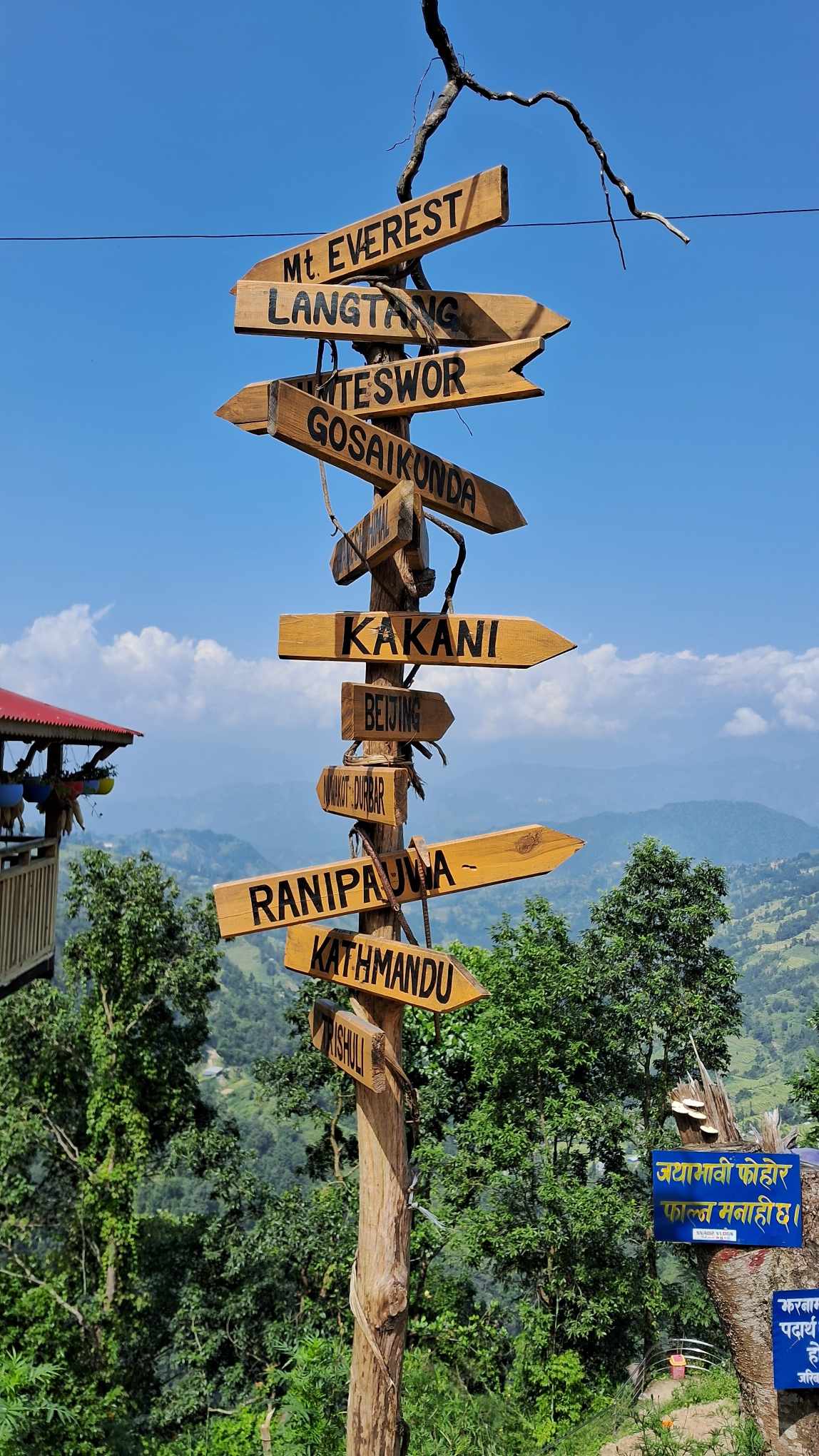
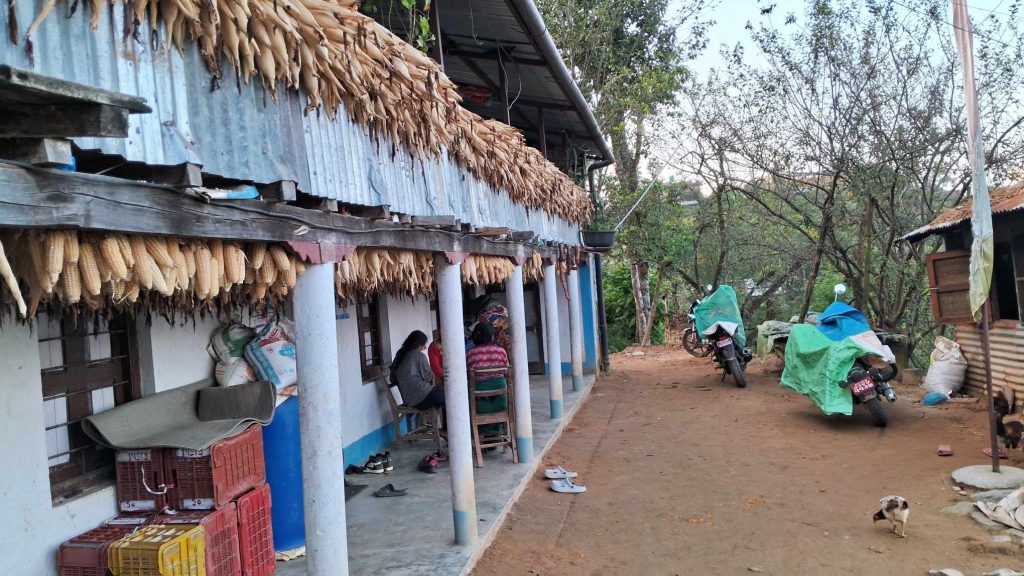
Located in the northern part of Nuwakot district, Kakani Rural Municipality is rich in natural beauty and cultural diversity. Despite its proximity to the Kathmandu Valley, it has largely preserved its unique identity and rural environment.
Here’s a presentation of the cultural, geographical, and regional characteristics of Kakani Rural Municipality.
Geographical Location and Natural Beauty:
Kakani Rural Municipality extends from an altitude of about 1,200 meters to 2,300 meters above sea level. Its geographical structure is hilly and sloping. The main attraction here is the stunning natural scenery. The captivating view of the Himalayan range to the north fascinates everyone. Especially during sunrise and sunset, the golden hues of the Himalayas enhance the beauty of Kakani.
Various types of vegetation and forests are found here. Trees like Salla(pine), Utis(alder), and chilaune(Needlewood ) have kept the environment clean and green. Different species of birds and wildlife are also found here, making this area important from a biodiversity perspective.
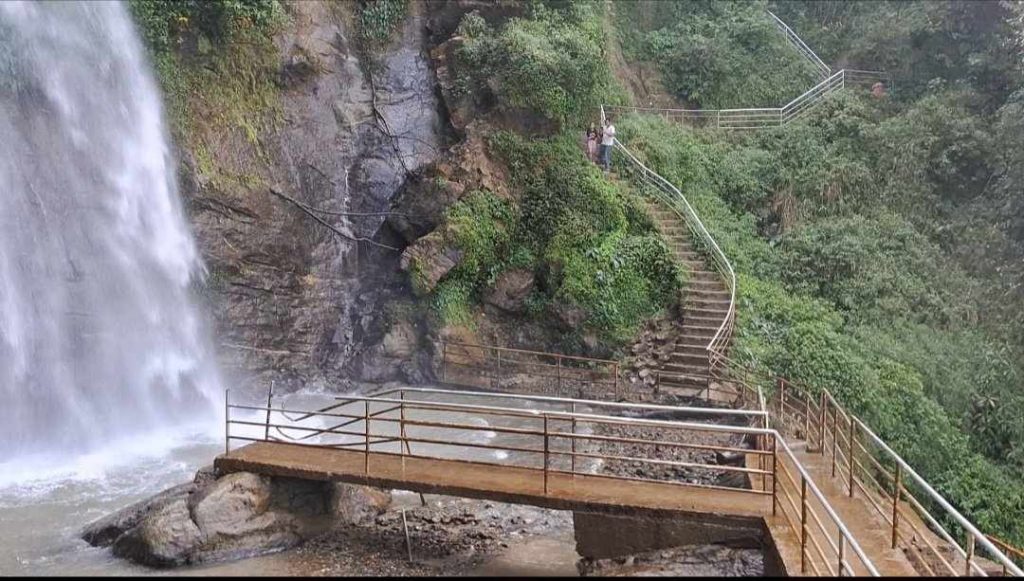
Kakani also has small rivers and waterfalls, which add further charm to its natural beauty.
Cultural Diversity and Traditions:
Kakani is a confluence of various castes and communities. The main inhabitants include Tamang, Newar, Gurung, Brahmin, Chhetri, and others. Each community has its own distinct culture, language, customs, and traditions.
The Tamang community is the predominant ethnic group here. They have their own language, attire, and art culture. Tamangs follow Buddhism, and many monasteries and stupas can be seen here. Festivals like Losar are celebrated with great enthusiasm. Traditional musical instruments like the Damphu and Tungna hold an important place in their culture.
The Brahmin and Chhetri communities also have a long history of settlement here. They have preserved their religious and social traditions. National festivals like Dashain and Tihar are celebrated with joy and enthusiasm.
Various religious sites are also located in Kakani. These sites reflect the cultural and religious significance of the area. Active participation of all communities can be seen in local jatras (religious processions) and fairs, which strengthens social harmony and unity.
Regional Characteristics and Lifestyle:
The main occupation in Kakani Rural Municipality is agriculture. The majority of the people here depend on farming. Paddy, maize, wheat, and other cereals, as well as vegetables like potatoes, cauliflower, and cabbage, are produced here. In recent times, fruit cultivation has also been increasing.
Kakani is also becoming known for its organic produce. The vegetables and fruits produced here are considered healthy and of high quality. This has made a significant contribution to the development of the agricultural sector here.
Development is also taking place in the fields of education and health. The rural municipality is making various efforts to provide basic education and health services to its citizens. The development of infrastructure such as roads, drinking water, and electricity has made the lives of the people here easier.
Kakani Rural Municipality also holds potential for tourism. Its natural beauty, cultural diversity, and peaceful environment can attract both domestic and foreign tourists. Tourism activities like homestays can help increase the income of the local community.
Conclusion:
Kakani Rural Municipality is an important part of the Nuwakot district. It has created a distinct identity due to its unique geographical structure, rich culture, and hardworking people. The natural beauty here provides peace of mind, while the cultural diversity conveys a message of social harmony and unity. With ongoing development efforts, it is hoped that Kakani will continue to preserve its originality and traditions.
Good information